
You’ve spent weeks, maybe months, hunting down that perfect 1/64 scale diecast car. You’ve polished the paint, found the perfect display shelf, and positioned it just right. But when you step back, something is missing. It looks... well, like a toy on a shelf. It’s static. It’s silent. It lacks that "soul" that separates a collection from a masterpiece.
The secret to bridging that gap isn't more cars: it’s the people.
Choosing the right 1/64 scale miniature figures is the difference between a parking lot and a bustling city street. But with so many options out there, from mass-produced plastic to high-end custom resin, how do you choose the ones that will actually "level up" your display?
Today, we’re breaking down everything you need to know to choose the best 1/64 people for a realistic street scene. Whether you’re a seasoned diorama builder or just starting out, this guide will help you turn your diecast collection into a living, breathing world.
1. Scale Accuracy: The "Close Enough" Trap
The most common mistake hobbyists make is settling for figures that are "close enough" to 1/64 scale. In the world of miniatures, a few millimeters can be the difference between a realistic bystander and a giant roaming the streets.
True 1/64 scale (often referred to as S scale in some circles) means a six-foot-tall person should stand roughly 28mm to 30mm tall. Many "HO scale" figures are too small, while "O scale" is far too large. When you place a figure next to a Hot Wheels or Matchbox car, the proportions need to be spot-on. If the person's head is taller than the roof of a standard sedan, the illusion is broken instantly.
At DoubleG Diecast, we obsess over these proportions. Our 1/64 miniature human figures are designed specifically to sit, stand, and interact naturally with the most popular diecast brands on the market.
2. Material Matters: Resin vs. Plastic vs. Metal
When you’re looking for realism, the material of the figure dictates the level of detail you can achieve. Let’s compare the big three:
Resin (The Gold Standard)
If you want meticulous detail, resin is the undisputed king. Because resin is cured from a liquid state (often via high-resolution 3D printing), it can capture microscopic textures that traditional injection molding simply can't. We're talking about individual fingers, realistic hair texture, and even the "drape" of clothing.
Resin figures are lightweight, take paint beautifully, and offer the sharpest edges for photography. Most of our premium collections are crafted from high-quality resin to ensure that when you zoom in with a macro lens, the figure looks like a real person shrunk down.
Plastic (The Budget Choice)
Mass-produced plastic figures are often found in large, cheap bags. While they are durable and affordable, they often suffer from "soft" details. Faces might look like featureless blobs, and you’ll often see "seam lines" from the manufacturing process. They’re fine for the deep background of a scene, but they shouldn't be your "hero" characters.
Diecast Metal
Diecast metal figures have a satisfying weight and a nostalgic feel. They are incredibly durable, but like plastic, they often lack the hyper-realistic facial expressions found in resin. However, they are fantastic for interactive displays where you might be moving pieces around frequently.
3. Detail and Craftsmanship: The Devil in the Diorama
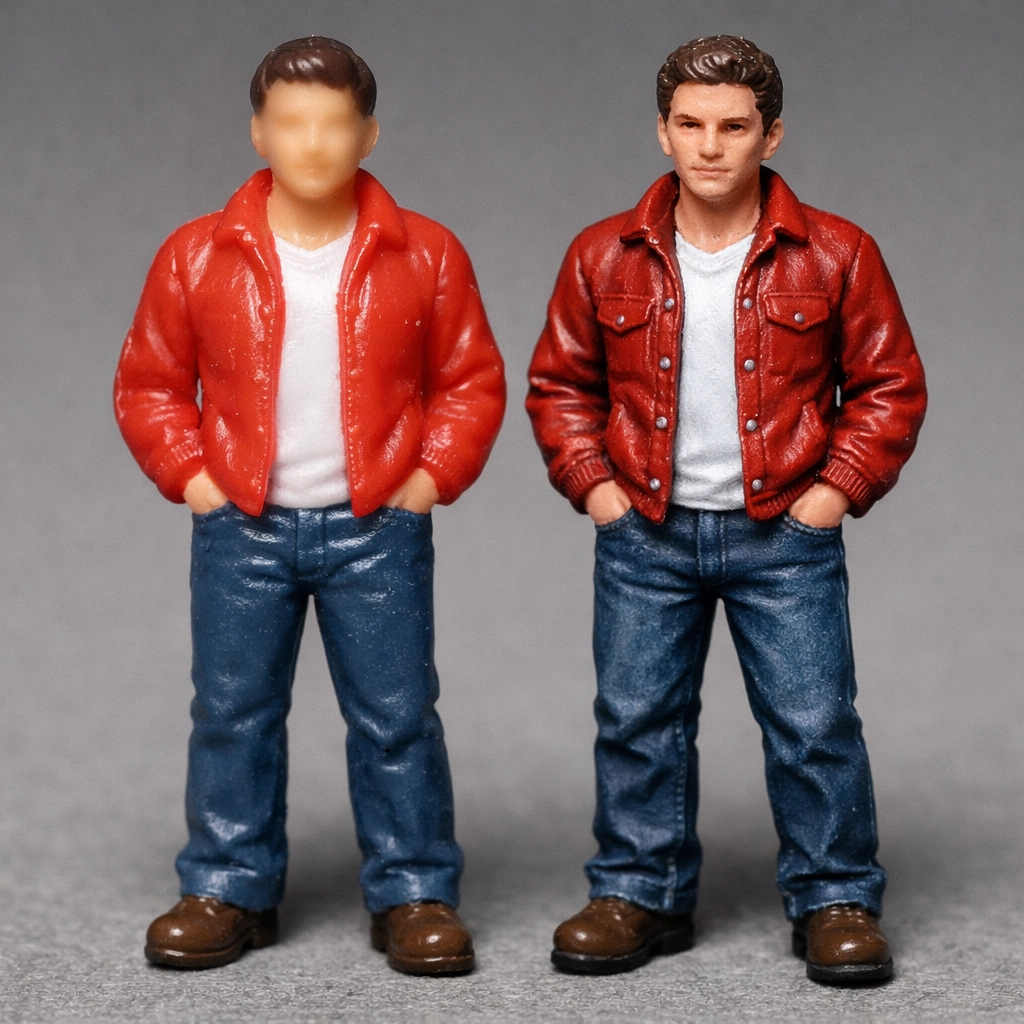
What makes a figure look "real" isn't just the size; it’s the story told through its details. When comparing figures, look for these key elements:
- Facial Expressions: Are they staring blankly into the void, or do they look like they’re mid-conversation? A realistic street scene needs emotion.
- Clothing Realism: Look for folds in the fabric at the elbows and knees. High-quality 1/64 people should look like they’re wearing clothes, not like the clothes are part of their skin.
- Dynamic Poses: Avoid the "soldier" stance. Real people lean against cars, check their phones, sit on curbs, or carry grocery bags.
- No Base Needed: For maximum realism, look for figures that can stand on their own. Having a plastic disk under every person’s feet ruins the immersion. Our figures are engineered for balance, allowing you to place them directly on your asphalt or sidewalk surfaces.
4. Building the Narrative: Variety is Key
A realistic street isn't just full of "Generic Guy A." To make a scene feel authentic, you need diversity and variety. Think about the "vibe" of your scene:
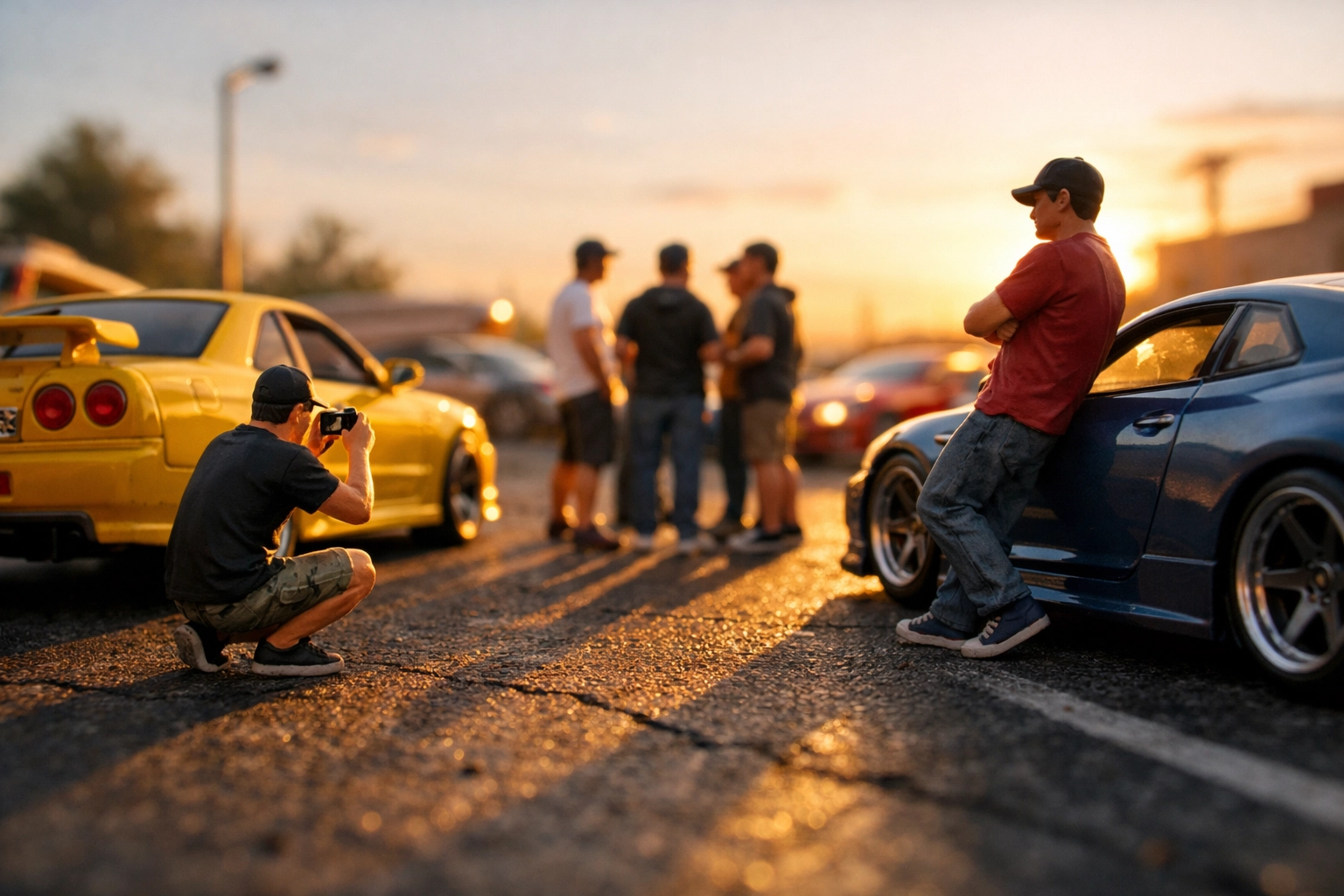
- The Car Meet: You need photographers, guys leaning over hoods, and groups of friends hanging out. Check out our best sellers to see the most popular "car culture" figures.
- The City Sidewalk: You need business people in suits, someone walking a dog, and maybe someone waiting at a subway entrance.
- The Custom Touch: Want to truly stand out? Imagine having a miniature version of yourself standing next to your favorite diecast car. Our Model of You service allows you to bring a literal personal touch to your hobby.
5. The Pro-Tip: Painting and Finishing
Even the best figure can look "toy-ish" if it has a glossy, thick coat of paint. If you’re buying unpainted figures: or if you’re using our 3D STL files to print your own: remember these three rules:
- Matte is Best: Real clothes aren't shiny. Use matte paints for everything except shoes or leather jackets.
- The "Wash" Technique: A thin, dark "wash" (watered-down paint) will settle into the crevices of the figure, instantly highlighting the muscle definition and clothing folds.
- Skin Tones: Avoid using one flat color for skin. A little bit of variation makes the figure look alive rather than like a mannequin.
6. Comparison Table: At a Glance
| Feature | Mass-Market Plastic | Diecast Metal | DoubleG Resin Figures |
|---|---|---|---|
| Level of Detail | Low (soft features) | Moderate | High (Crisp features) |
| Anatomical Accuracy | Hit or Miss | Good | Excellent |
| Paint Adhesion | Requires Primer | Good | Excellent |
| Pose Variety | Limited/Repetitive | Standard | Highly Dynamic/Unique |
| Ideal Use | Background filler | Durable displays | Pro Dioramas/Photography |
Why Choose DoubleG Diecast?
We don’t just sell miniatures; we’re hobbyists who live for the "wow" factor. We know the frustration of ordering a set of figures only for them to arrive looking like melted army men. That’s why we focus on premium-grade resin and authentic poses that reflect real street culture.
From the gritty realism of a city alleyway to the polished atmosphere of a high-end car show, our collection of 1/64 people is designed to give your project the "soul" it’s been missing.
Final Thoughts: Stop Collecting, Start Creating
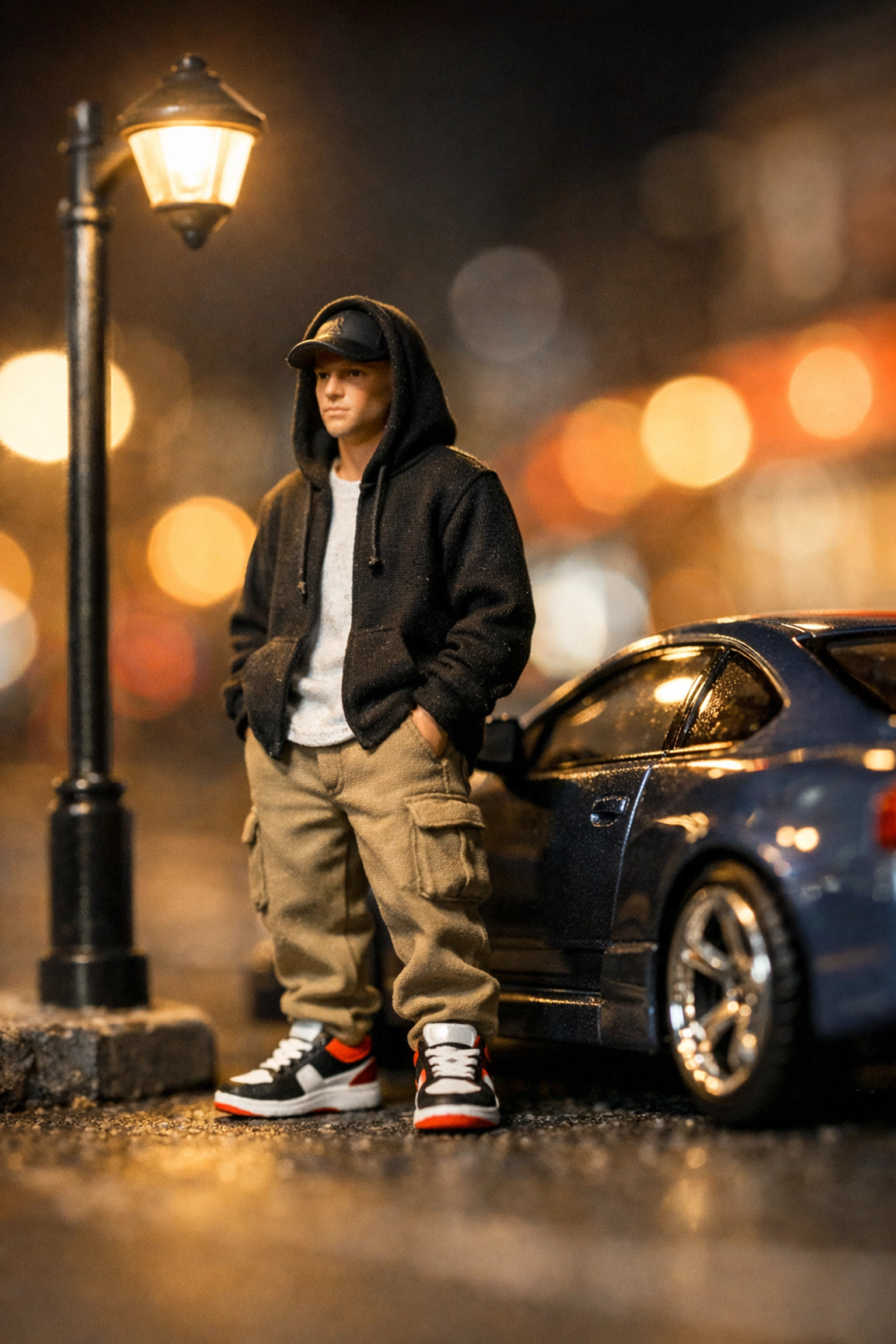
Your diecast cars deserve more than a lonely shelf. They deserve a world. By choosing high-detail, realistically posed 1/64 figures, you aren't just adding "toys" to your display: you're becoming a storyteller.
Ready to bring your street scene to life? Browse our latest Human Figures Collection and find the characters that fit your story.
If you have questions about which figures work best for your specific layout, don't hesitate to reach out to us. We love seeing what you’re building!
Which character is missing from your scene? Is it the car show photographer or the casual bystander? Let us know in the comments or tag us in your diorama photos!