
Let’s be real: your diecast collection is incredible, but sometimes those rows of pristine cars on the shelf can feel a little... static. You’ve got the rare castings, the custom wheels, and the perfect paint jobs, but something is missing. It’s the soul of the scene. It’s the story.
If you’re looking to break away from the "car show" aesthetic and move into something with more edge, more tension, and a whole lot of grit, then it’s time to talk about crime scene dioramas. There is something undeniably captivating about a frozen moment of investigation, the flashing lights, the gathered crowd, and the quiet intensity of a detective looking for clues.
At DoubleGDiecast, we know that the difference between a toy car on a desk and a museum-quality masterpiece lies in the details. Today, we’re diving into how you can use 1:64 scale figures and meticulous staging to create a gritty, realistic investigation that will make your followers stop scrolling and start zooming in.
The Pain Point: Why Most Dioramas Feel "Flat"
A common struggle for many hobbyists is the "action figure" problem. You buy a few 1:64 miniatures, stand them up next to a police cruiser, and... it still looks like a toy. Why? Because the scene lacks narrative tension.
Real-world crime scenes are chaotic and organized all at once. There’s a hierarchy of movement. There’s a specific "vibe" that comes from the interplay of light, shadow, and human reaction. To fix a flat diorama, you need to stop thinking about your diecast figures as static objects and start thinking of them as actors in a high-stakes drama.
Setting the Stage: The Foundation of Grime
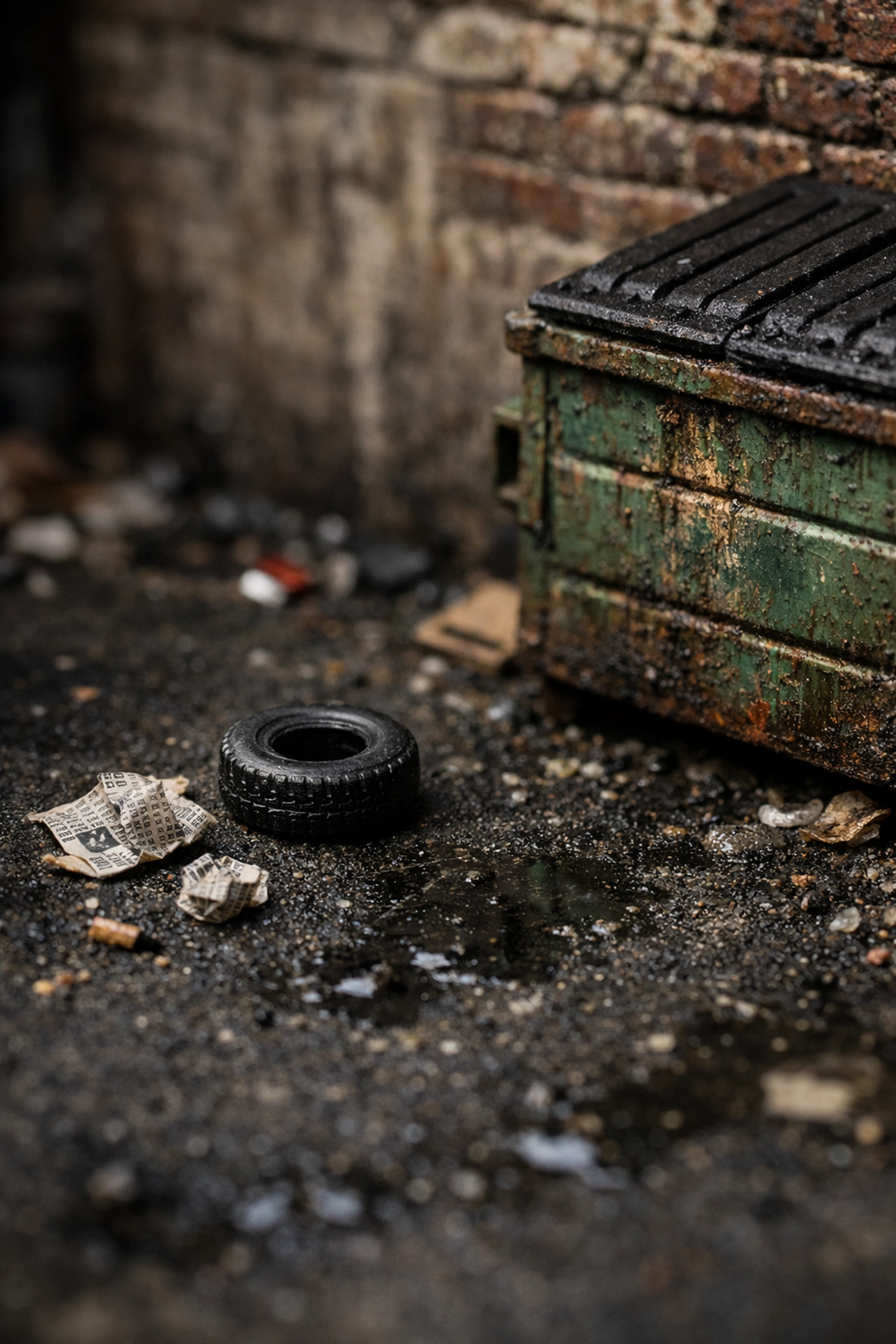
Before you even place your first 1:64 diorama figures, you need a setting that feels "lived in." A clean sidewalk doesn't tell a story of a midnight heist or a back-alley deal gone wrong.
- Weathering is King: Use Tamiya weathering masters or even just some diluted black acrylic paint to add oil stains, grime, and "road film" to your asphalt.
- The Debris of Life: Scatter tiny pieces of "trash", tiny bits of crumpled paper, scale-accurate soda cans, or discarded tires.
- The Environment: Think about where crime happens. Is it under a flickering streetlamp? In the shadow of a subway train? The more layers of texture you add to the ground, the more realistic your 1:64 scale figures will look when they’re standing on it.
The Cast: Choosing Your 1:64 Scale Figures
This is where the magic happens. A crime scene needs a cast. You aren’t just looking for "police officers"; you’re looking for characters.
When you browse our collection of human figures in 1:64 scale, look for poses that imply action or specialized roles:
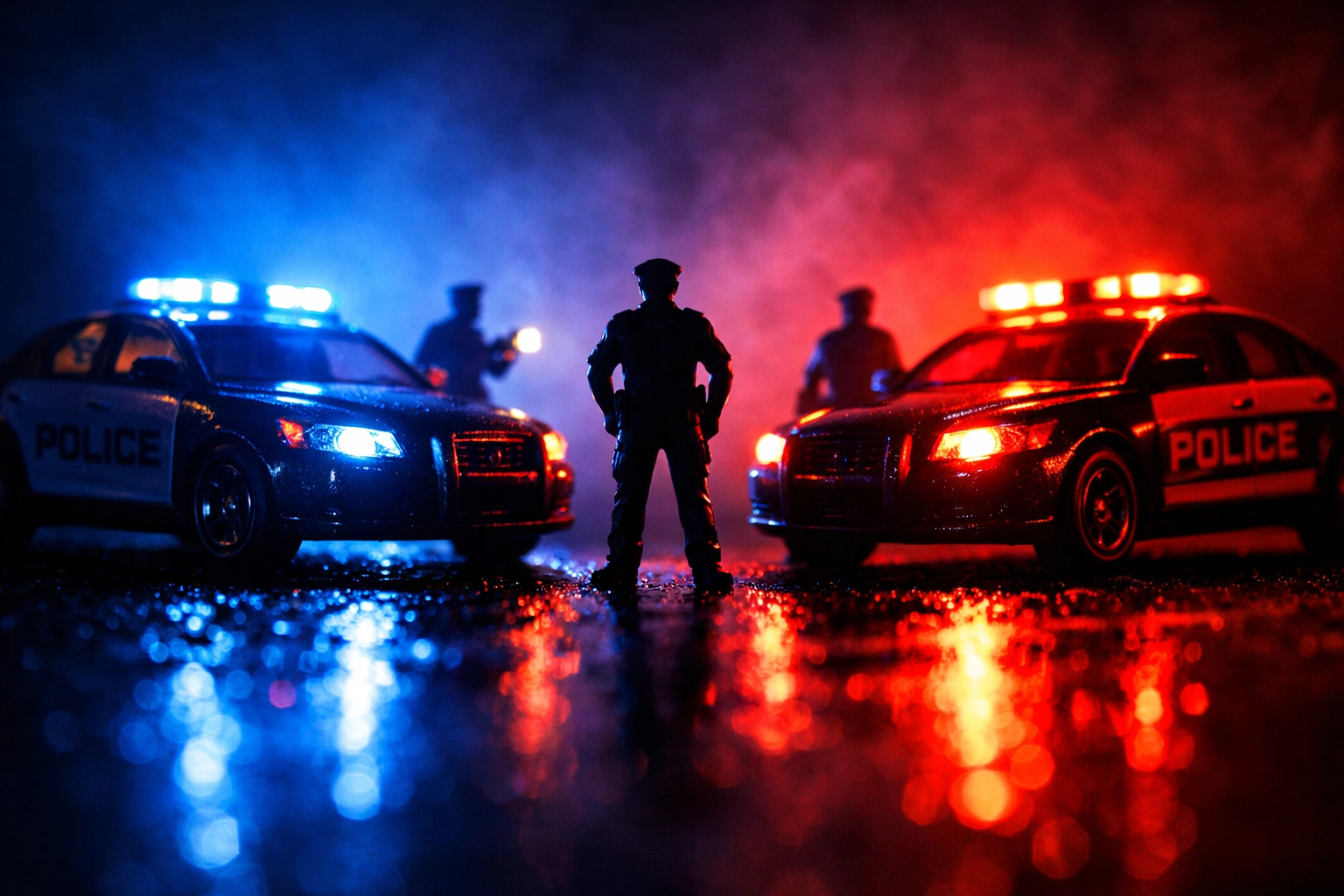
- The First Responders: Officers with their hands on their belts, looking authoritative. They should be placed near the perimeter, "holding the line."
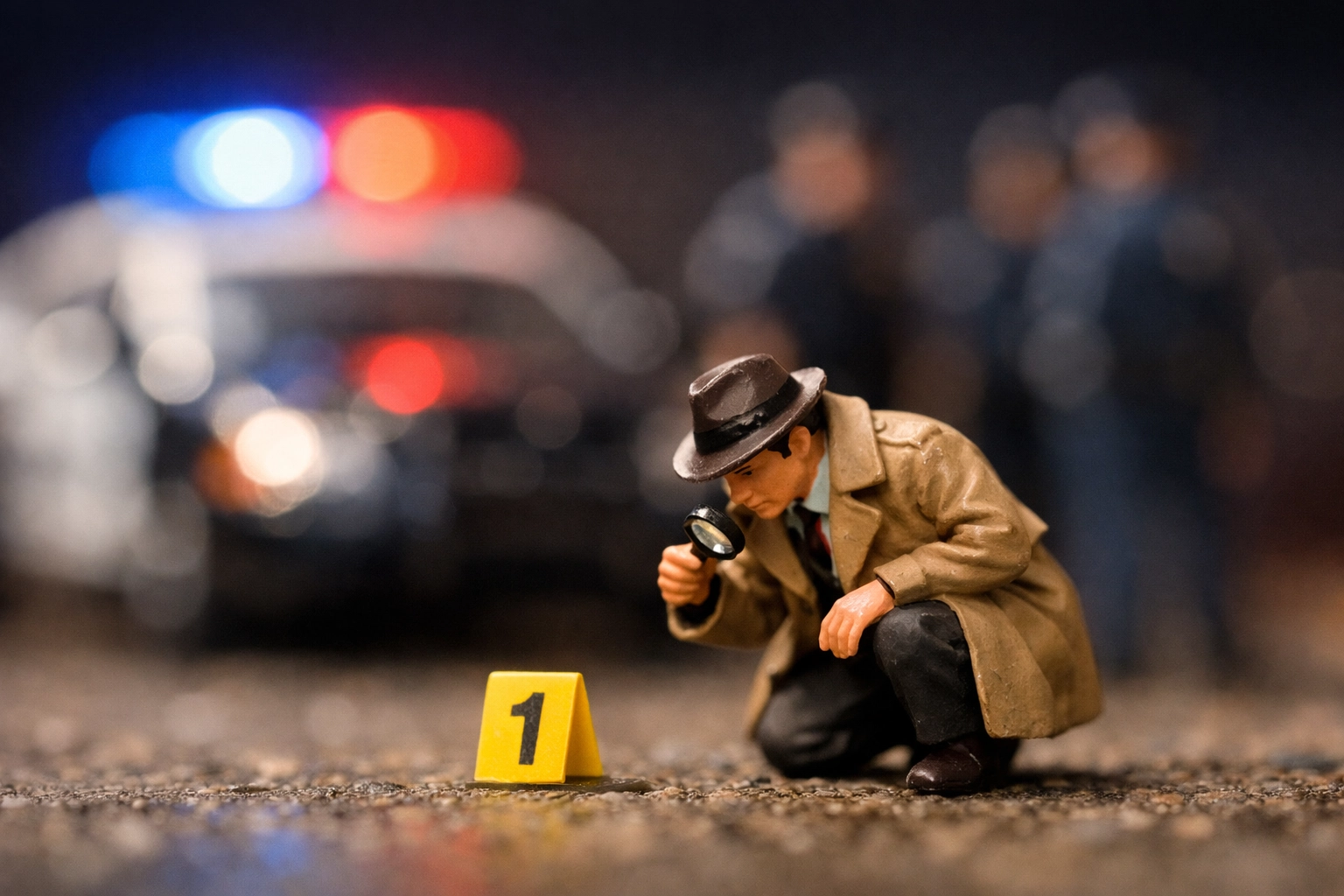
- The Detectives: These are your stars. Look for figures in trench coats or suits, perhaps crouching down to inspect a tire mark. These diecast figures provide the focal point of the investigation.
- The Forensics Team: If you can find figures carrying cameras or kits, place them near the "evidence."
- The Bystanders: This is the most overlooked part of a diorama. Every crime scene has a crowd. Use 1:64 miniature figures of everyday people, curious neighbors, people filming on their phones, or someone looking visibly distressed. This adds a layer of social realism that makes the scene feel authentic.
Lighting: The "Disco" of the Law
Nothing says "investigation" like the strobing effect of emergency lights. If you’re serious about the "gritty" vibe, you need to master lighting.
You don't necessarily need to wire up every car with LEDs (though it looks amazing if you do). You can simulate the "scene" using external light sources. A small blue and red LED tucked just out of frame can cast a "patrol car glow" over your 1:64 miniatures, creating long, dramatic shadows.
Pro Tip: Use a "flicker" module on a single warm-white LED to simulate a broken streetlamp. It adds an instant cinematic quality to your photography and highlights the textures of your 1:64 scale figures.
The "Nutshell" Approach: Focus on the Details
In the 1940s, Frances Glessner Lee created the "Nutshell Studies of Unexplained Death", highly detailed miniature crime scenes used to train investigators. She understood that the smallest detail could tell the biggest story. We should take a page out of her book.
To bring that DoubleGDiecast level of quality to your work, consider these tiny "story-starters":
- Evidence Markers: You can make these out of tiny snips of yellow cardstock folded into "tents." Number them with a fine-liner pen.
- Crime Scene Tape: A thin strip of yellow plastic or painted thread stretched between two patrol cars or poles. It creates a physical barrier that guides the viewer’s eye.
- Chalk Outlines: A very fine white colored pencil can be used to draw a "body outline" on the pavement. It’s a classic trope that immediately communicates "Crime Scene."
- The "Runaway" Car: Maybe the crime isn't over. Place one of our diecast cars at an awkward angle, with a door left open, suggesting a suspect fled on foot.
Composition: Telling the Story Through the Lens
Once your scene is set, how do you capture it? Don't just take a photo from bird's-eye view. That reminds the viewer that these are toys.
Get down to eye level. Use a macro lens or the portrait mode on your phone to create a shallow depth of field. Focus on a single detective figure while the flashing police lights and the blurred silhouettes of 1:64 scale figures in the background provide the atmosphere.
Ask yourself: Who is the protagonist of this shot? Is it the officer guarding the tape? Or the witness being questioned in the shadows? By choosing a "main character," you turn a collection of plastic and metal into a narrative.
Why Detail Matters
You might ask, "Greg, is it really worth spending an hour placing a 2mm evidence marker?"
The answer is a resounding yes. In the world of high-end diecast collecting, details are the currency of respect. When you use high-quality 1:64 miniatures from a trusted source, you're building a foundation of realism. Cheap, poorly molded figures will break the illusion instantly. But when you use professional-grade 1:64 scale figures, the anatomy is right, the clothing folds are realistic, and the poses make sense.
Building Your Own Investigation
Ready to start your first "cold case"? Here is a quick checklist to get you moving:
- Pick Your Location: Alleyway, parking lot, or roadside?
- Select Your Vehicles: At least one "incident" vehicle and two "responder" vehicles.
- Deploy Your Force: Grab a pack of police and detective figures.
- Add the "Chaos": Use bystanders and witnesses to fill the empty spaces.
- Light It Up: Use red/blue ambient light for that midnight emergency feel.
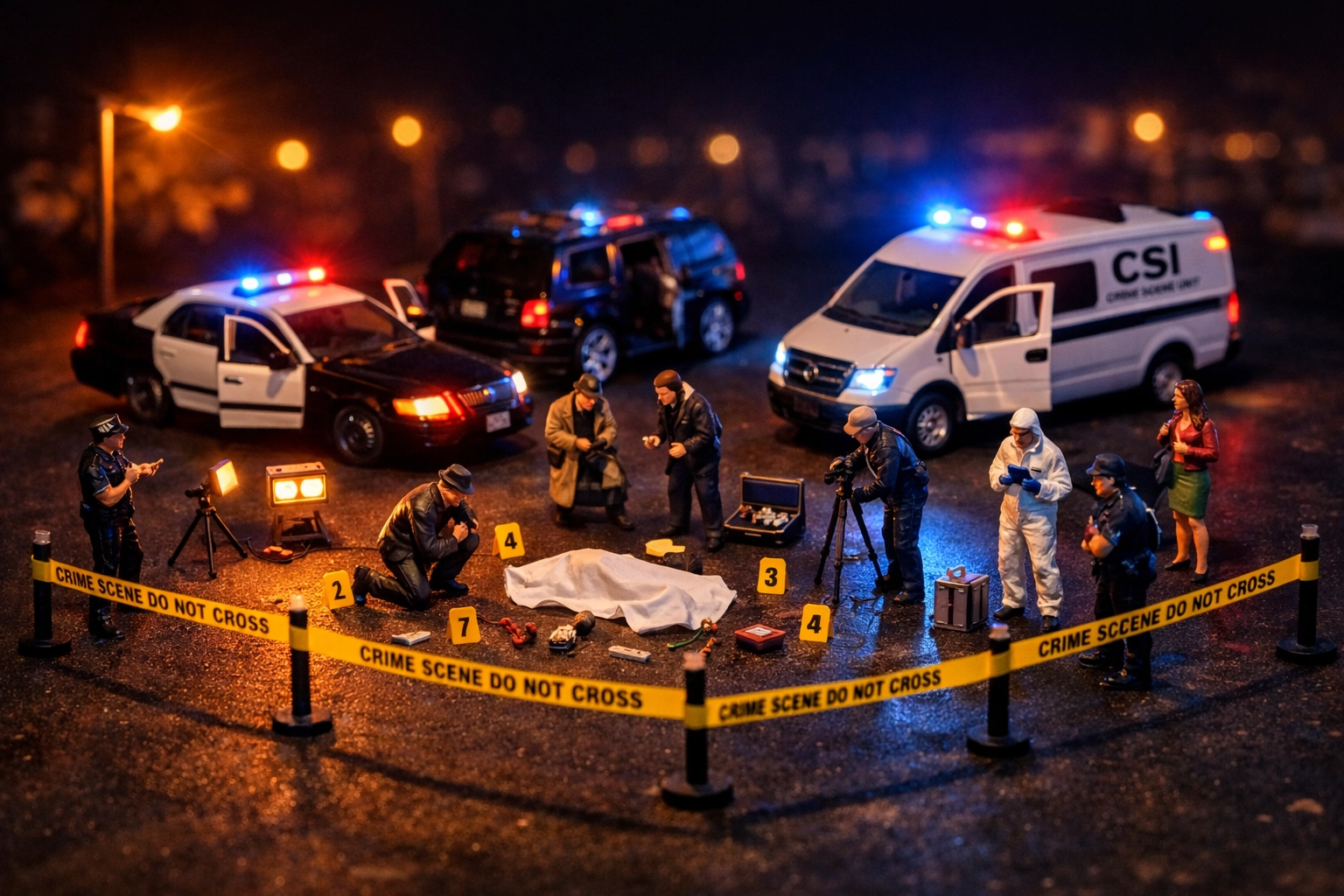
The beauty of the 1:64 scale is that you can build an entire world on a bookshelf. A crime scene diorama is more than just a display; it’s a puzzle for the eyes. It invites the viewer to look closer, to wonder what happened, and to appreciate the meticulous effort you put into every square inch.
If you’re looking for the perfect "perps," "pigs," or "private eyes" to populate your next scene, check out our latest arrivals at DoubleG Diecast. We’ve got the 1:64 scale figures that bring the "gritty" to your city.
What’s the story behind your next scene? Whether it’s a high-speed chase gone wrong or a quiet mystery in a dark corner of the city, we want to help you build it.
Stay creative, stay gritty, and keep collecting!